In our department we value science and education grounded in the natural history of organisms, and strive to understand the patterns and processes that structure communities and ecosystems, and drive evolutionary change over all geographical and time scales. As new methods provide insight into ecological and evolutionary mechanism and function, we seek to refine fundamental concepts, integrate findings into novel theory, and address environmental challenges. As a department we are committed to diversity, equity, inclusion, justice and belonging - values that underlie all we do.
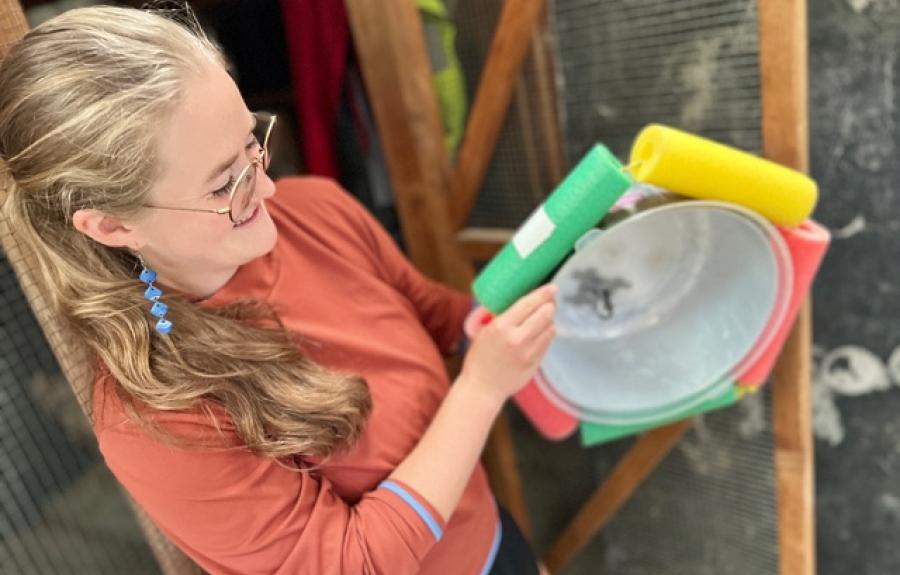
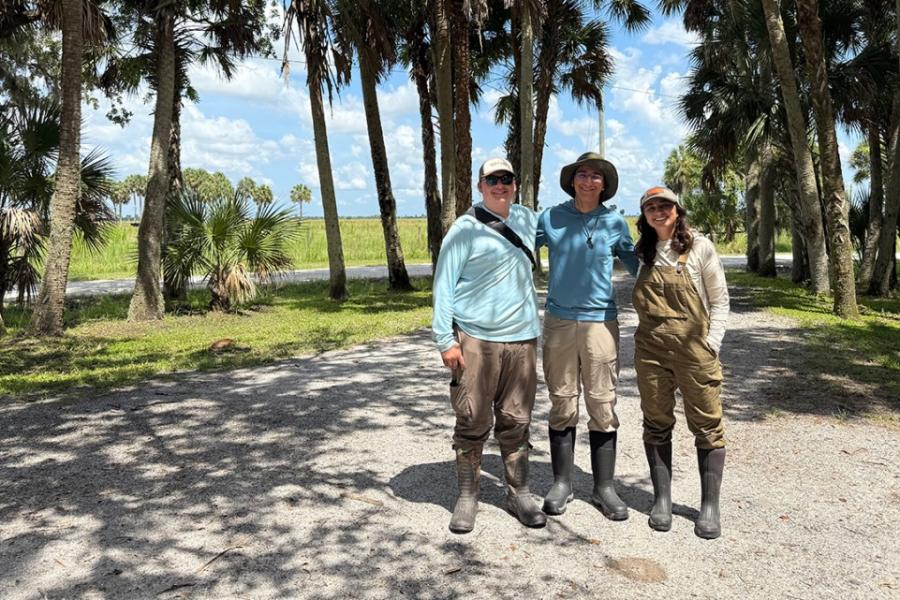
EEB grad student Katherine Stenehjem with sampling gear at the Ponds facility; Kathy is investigating abiotic and biotic drivers of carbon, nitrogen and phosphorus cycles in small freshwater systems.
Research Spotlight
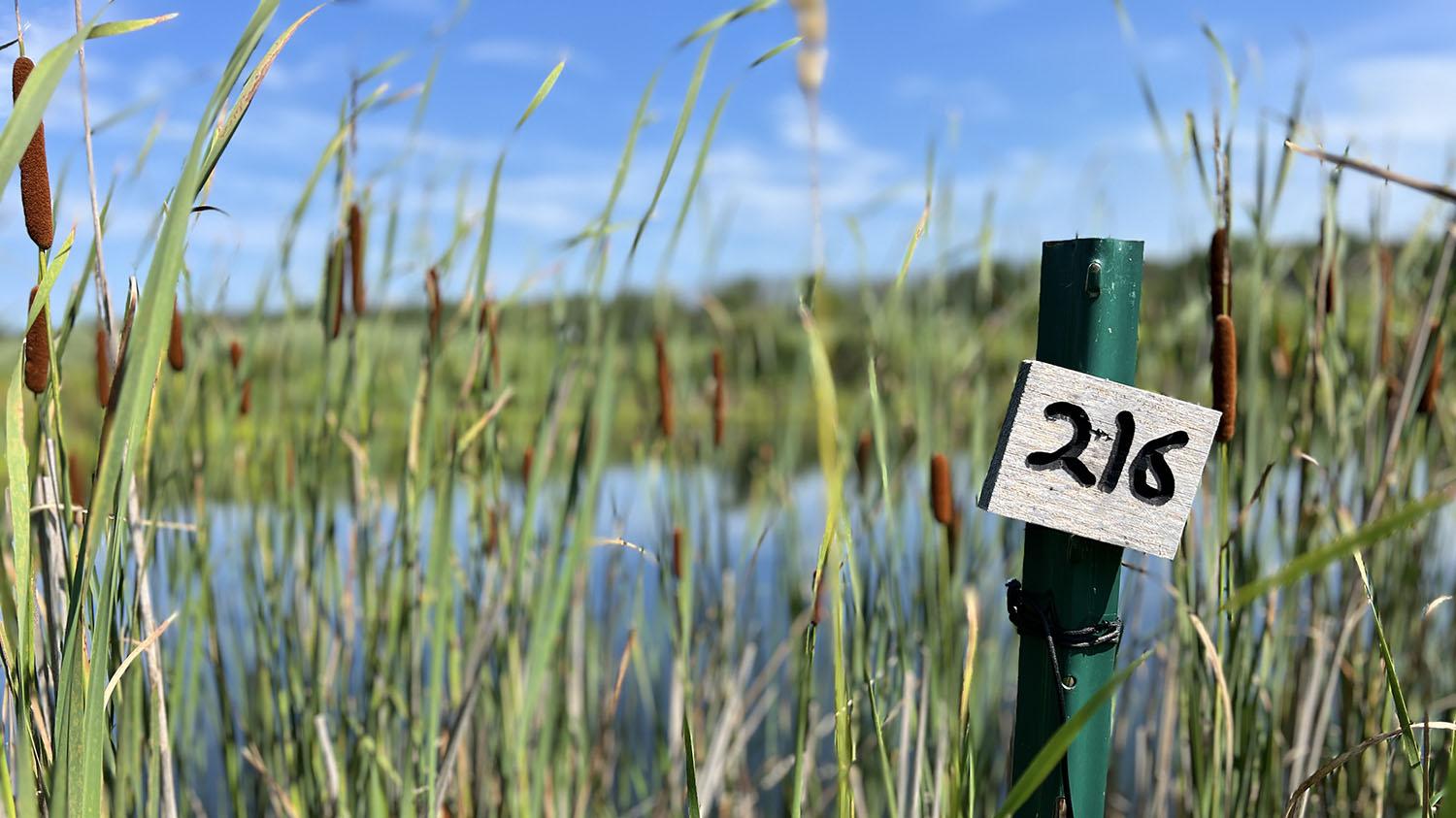
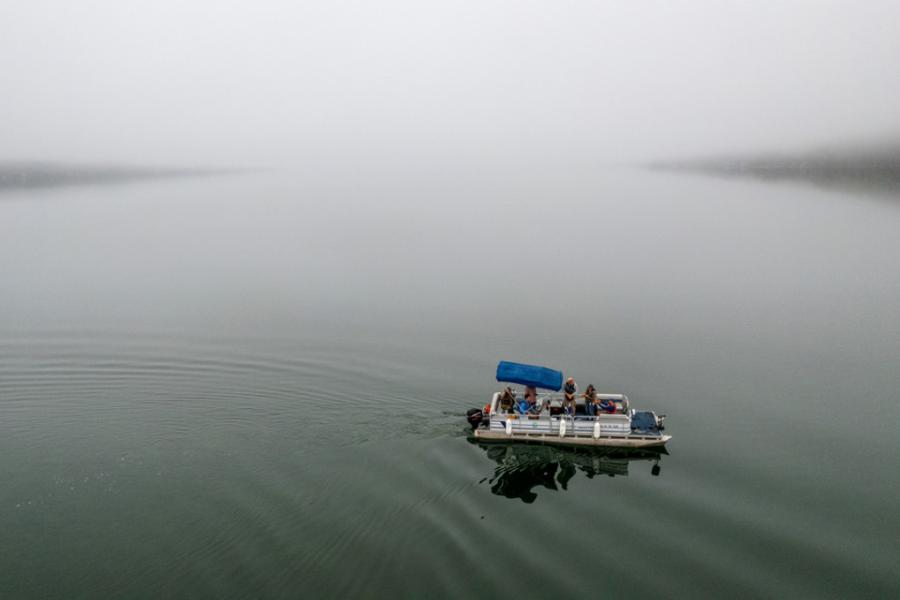
Cornell’s Experimental Ponds Facility is a research and teaching resource operated by our department. For over 50 years, a broad range of field and experimental projects have utilized the Ponds facility. Past and ongoing studies provide valuable insights and solutions into a variety of topics including: conservation of migratory birds; and a broadened understanding of nutrient and chemical pathways in aquatic environments. Research teams from EEB's Holgerson and Vitousek Labs are currently using the Ponds facility for their research programs.
Cornell researchers have developed an online module, running just over an hour in length, that can be offered as a way to instill concepts of critical thinking early in a student’s academic journey.
With a 2024-2025 Innovative Teaching & Learning Grant, A&S professors collaborated with others to develope an AI tool to foster student metacognitive skills around teamwork in STEM classes.
The team found a significant uptick in the number of articles published after 2013 that focused on core concepts and competencies suggested in a seminal report.
With support from Cornell Atkinson, graduate students mentored undergraduates to conduct summer research on methane mitigation, food security and climate forecasting.
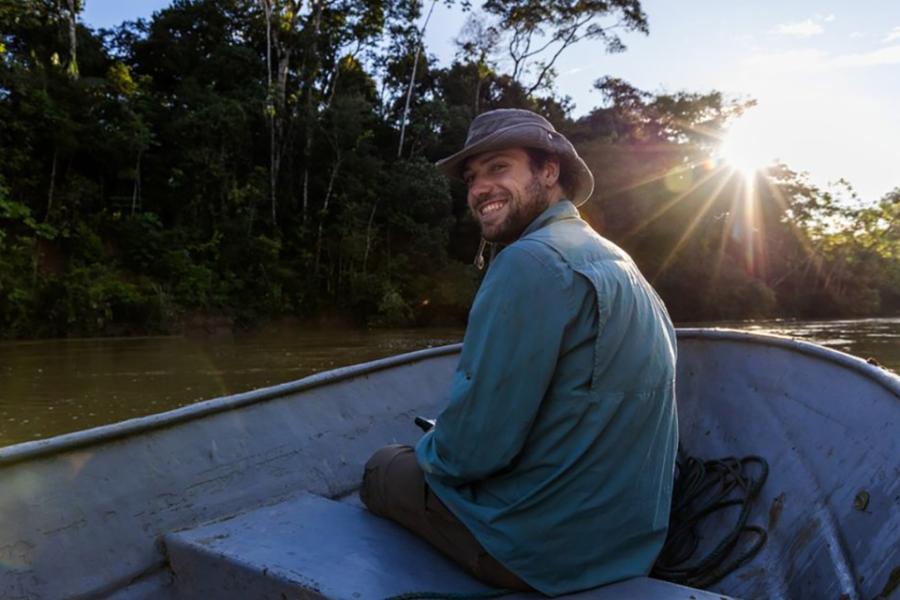
Ethan Duvall, an inaugural Semlitz Family Sustainability Fellow, has launched a nonprofit aimed at protecting biodiversity and culture in the Amazon Rainforest.